

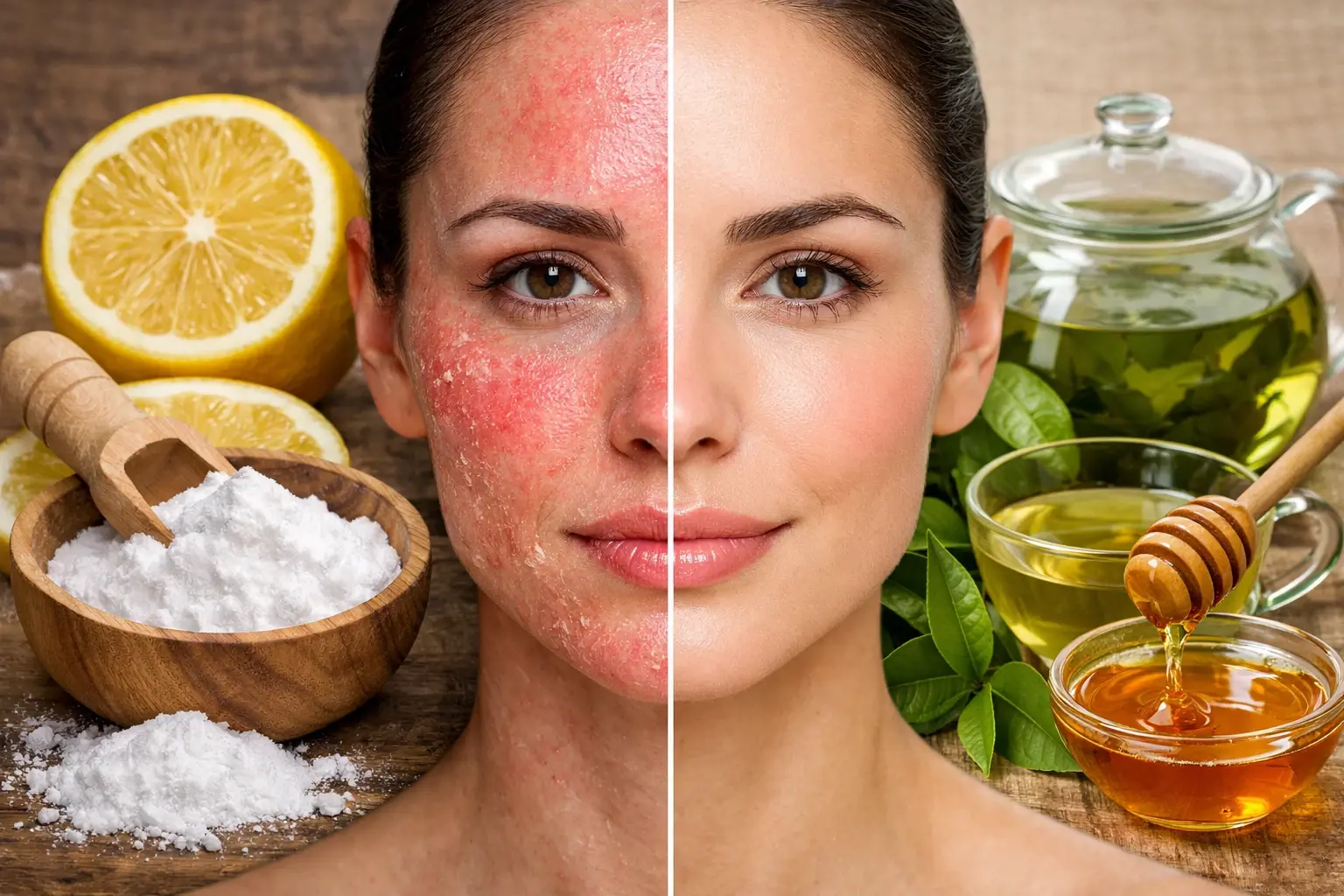
From "miracle" lemon masks to baking soda facials, social media is drowning in anti-aging home remedies that promise glowing skin on a tight budget. Dermatologists aren't impressed. Some of these viral tricks strip the skin barrier, trigger inflammation, and quietly speed up the aging process — the opposite of what you wanted. The issue isn't that they're DIY. It's that harsh, completely untested ingredients are going straight onto delicate facial skin, often because someone got 400K views doing it.
Social Media Made Them Famous — But Are These Hacks Actually Safe?
Skincare trends can rack up millions of views in 48 hours, but that doesn't mean a dermatologist signed off on any of it. Putting strong acids or alkalis directly on your face isn't a neutral act. Dermatologists have started seeing more patients with irritation, chemical burns, and heightened skin sensitivity — and a lot of those cases trace back to something the patient saw on their phone.
TikTok "skin cycling" trends and DIY brightening hacks show no skin type context, no pH context, and no discussion of what happens after. Most viral skincare videos are entertainment, not advice. And damage you can't see today often shows up as wrinkles and dark spots six months from now.
Myth: "If It's Natural, It Can't Hurt Your Skin"
This one keeps circulating, and it keeps being wrong. Lemon juice, undiluted essential oils, and baking soda are all natural. They're also all capable of damaging the protective layer sitting on top of your skin. Your skin's surface runs at a slightly acidic pH — roughly 4.5 to 5.5 — and anything that throws off that balance causes dryness, irritation, and the kind of low-grade inflammation that adds up over time.
Why Skin's pH Matters More Than "Natural vs. Chemical"
The acid mantle is the thin, slightly acidic film that keeps moisture in and irritants out. Mess with it and your skin starts overcompensating. A synthetic ingredient formulated at the right pH is safer than a "natural" one with a wildly mismatched pH used straight from the kitchen. Look at the evidence and the formulation — not just the "DIY" or "chemical-free" label on the post.
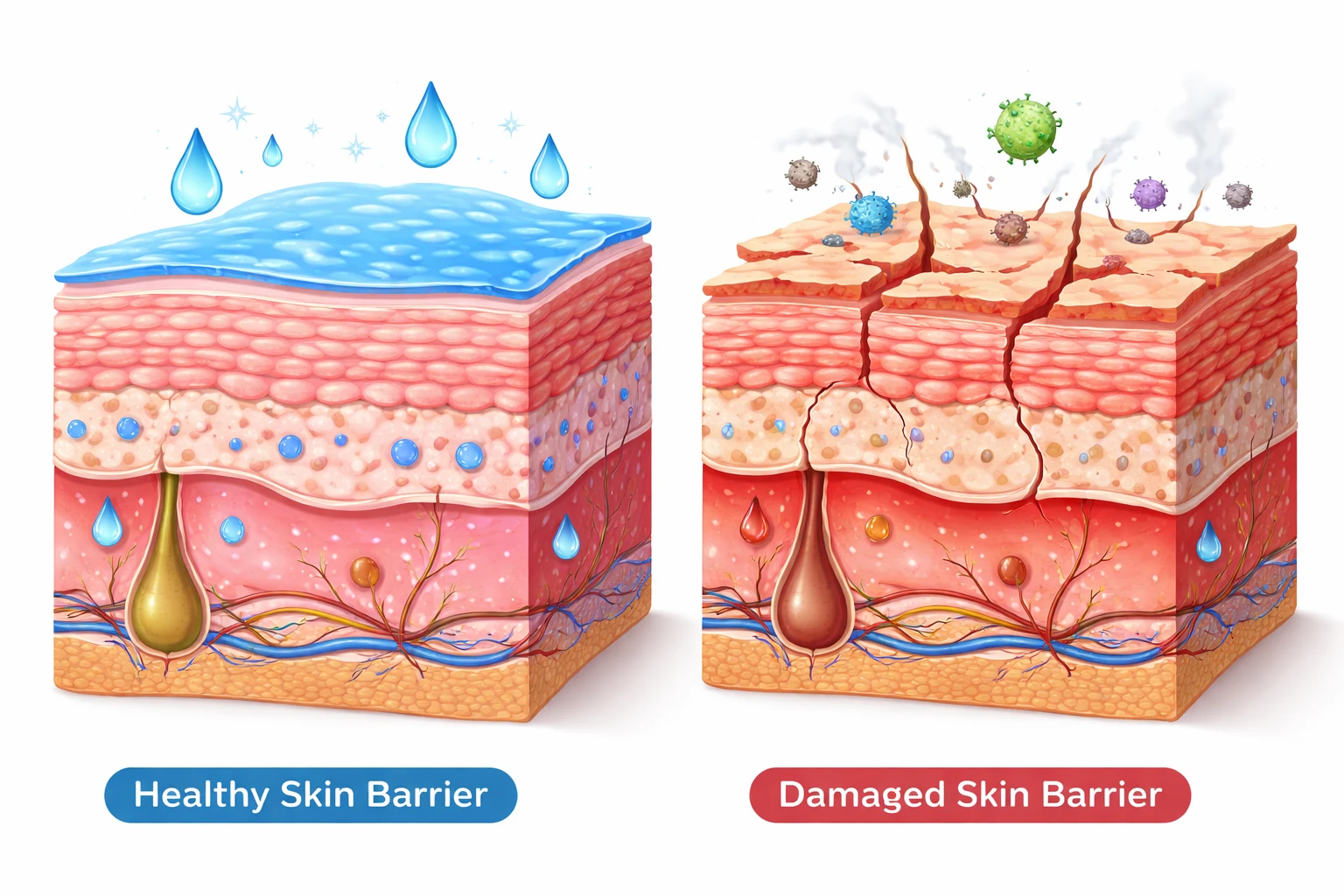
Home Remedies That Can Damage Your Skin Barrier
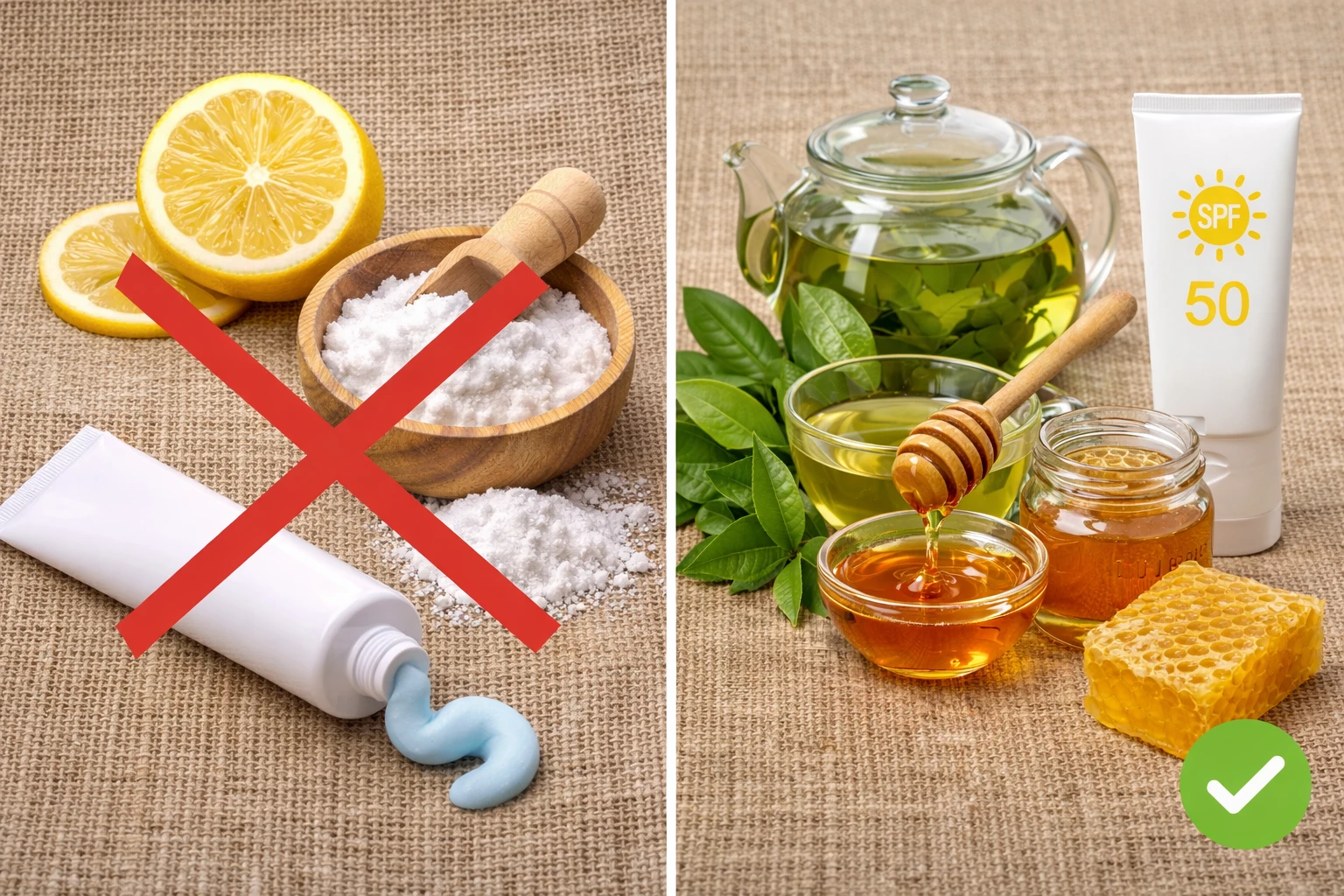
Some common kitchen ingredients are too acidic or too alkaline for leave-on use on facial skin. Used regularly, they can make fine lines more visible, trigger redness, and worsen hyperpigmentation. Here's what to watch out for.
Raw Lemon Juice on Your Face
Lemon juice sits at a pH between 2 and 3 — far lower than your skin's natural range — and that gap causes real problems. It strips the barrier, leaves skin dry and prone to peeling, and often burns on contact. What makes it worse is the photosensitizing compounds in lemon that ramp up UV sensitivity. Put lemon on your face, step outside, and you're looking at a real risk of chemical burns, rashes, or long-lasting dark patches (a condition called phytophotodermatitis) that are much harder to deal with than the original concern.
Sun exposure after lemon use can lead to hyperpigmentation and scarring that lingers for months. If you want the brightening effect, use a well-formulated vitamin C serum instead. It delivers the same result without the acid burn.
Baking Soda Masks and Scrubs
Baking soda runs around pH 9 — on the opposite end of the scale from your skin. Using it as a face wash or mask strips natural oils and punches through the acid mantle your skin works hard to maintain. Your skin might feel temporarily smooth afterward, but that's just over-exfoliation.
If you've been using baking soda and notice your skin feels weirdly tight after washing, burns when you apply products that never bothered you before, or suddenly flakes and breaks out with no obvious cause — that's probably a compromised barrier, not a new sensitivity you were born with. A low-percentage lactic or mandelic acid, used as directed, is a far gentler way to exfoliate.
Home Remedies That Actually Have Science Behind Them
Not every home remedy is bad. Some ingredients, used the right way, do support skin health, fight oxidative damage, and improve hydration. Here's what actually holds up.
Green Tea Compresses and DIY Masks
Green tea contains polyphenols and catechins — specifically EGCG — with solid antioxidant and anti-inflammatory properties. These compounds help neutralize free radicals from UV exposure and pollution, which are two of the bigger drivers of fine lines, dullness, and premature aging.
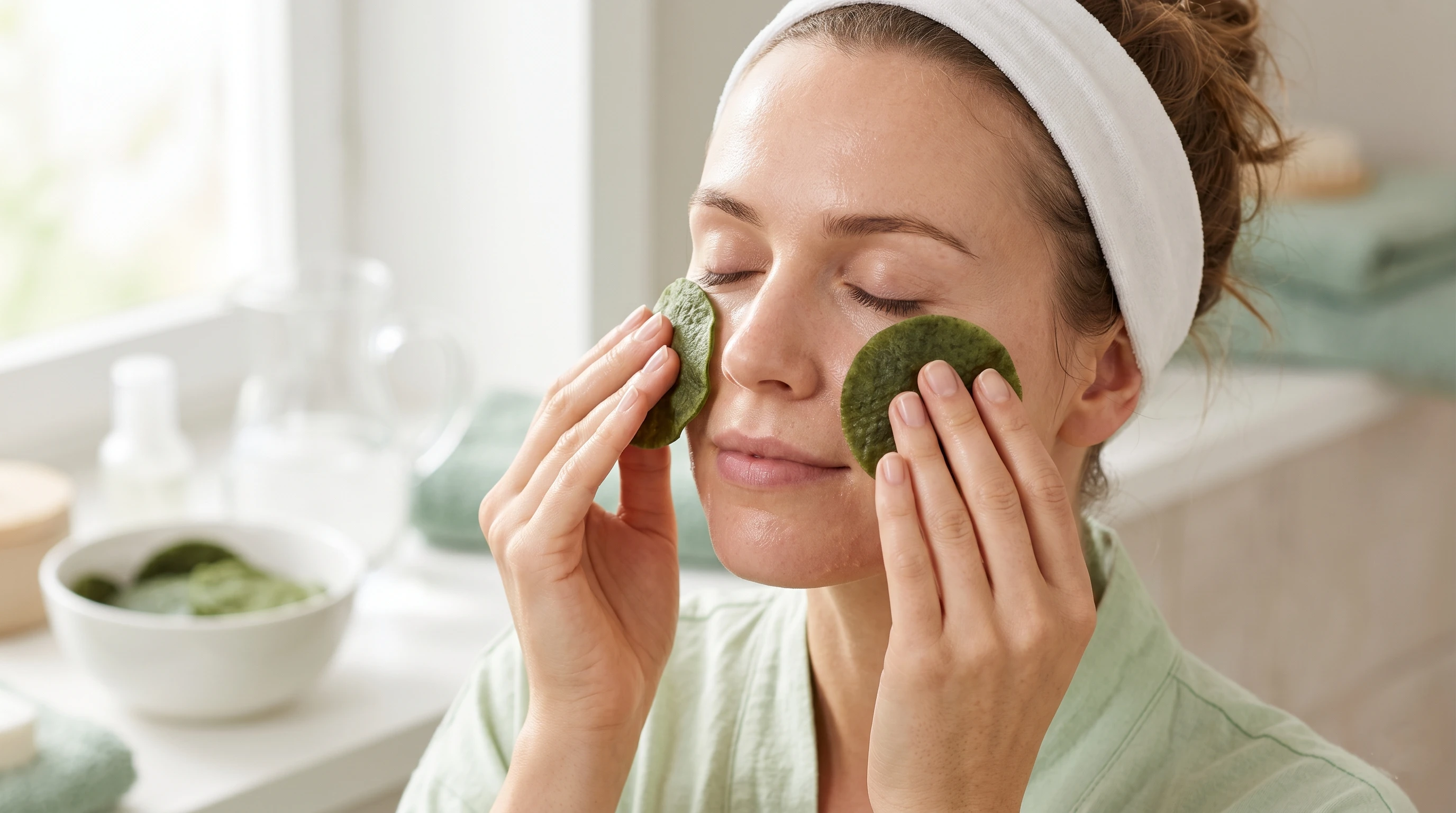
To use it: brew a cup, let it cool completely, soak cotton pads in it, and press them onto areas of redness or puffiness. It's simple and actually works. Cooled green tea can also be the liquid base in a gentle DIY mask with oatmeal or aloe. One thing — never apply hot tea directly to your face, and patch test before using it regularly.
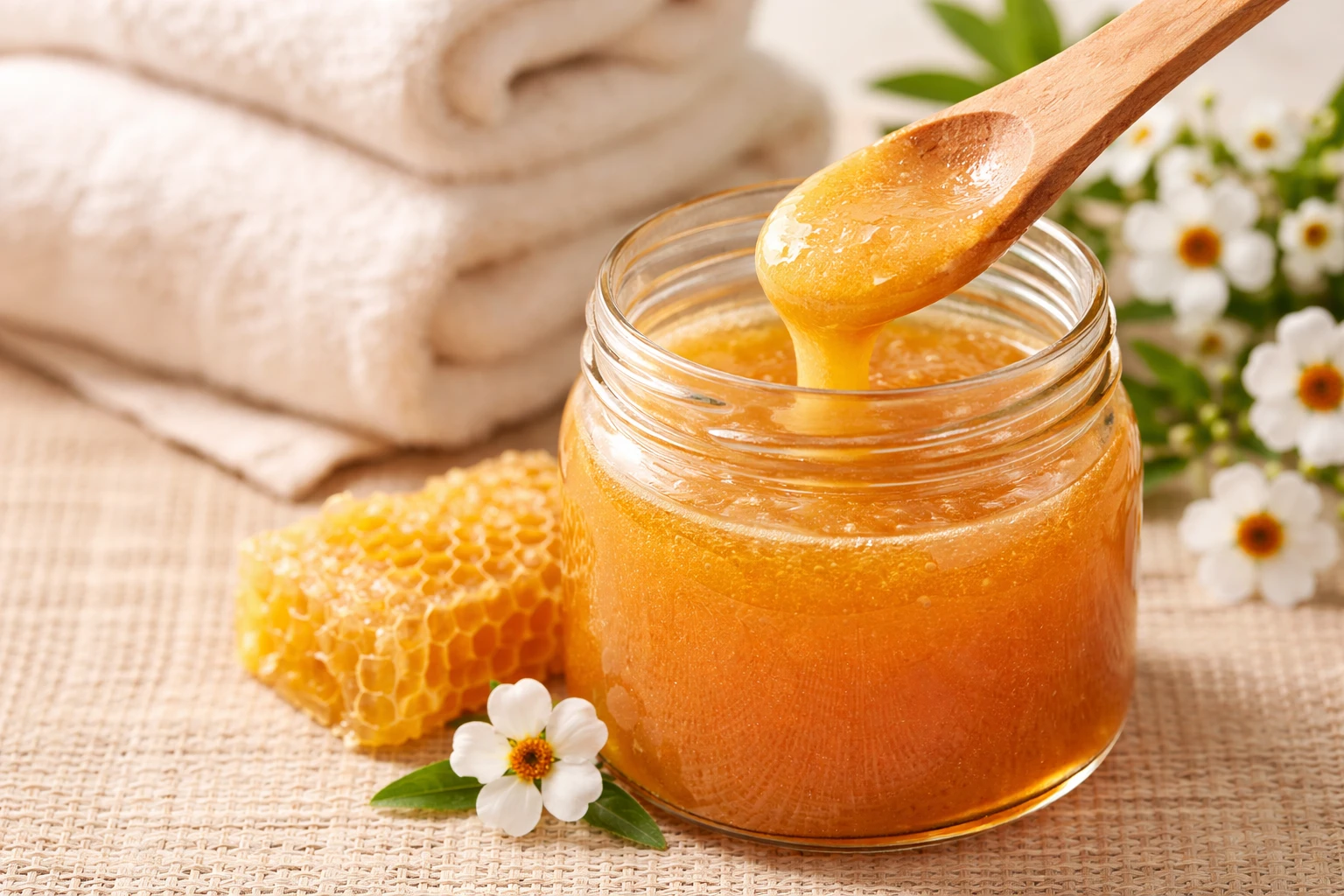
Manuka Honey for Hydration and Healing
Manuka honey pulls moisture into the skin and keeps it there, which makes it especially useful for dry or dehydrated skin. It also has antioxidant and anti-inflammatory properties that can calm irritation and support barrier repair over time. It won't erase wrinkles, but for someone dealing with tight, dull, or reactive skin, it's a genuinely useful tool.
To use it: apply a thin layer to clean, damp skin, leave it on for 10 to 15 minutes, then rinse with lukewarm water. You can mix in a little aloe vera or a few drops of a non-fragrant facial oil for extra nourishment. Don't use honey on open wounds without talking to a doctor first. And if you have any history of bee-related allergies, patch test on your inner arm before putting it anywhere near your face. Common sense stuff, but worth saying.
How to Tell if a DIY Hack Is Aging Your Skin Faster
Before trying anything new on your face, ask yourself these four questions:
-
Does it significantly shift your skin's pH — is it very acidic or very alkaline? If yes, don't leave it on your skin.
-
Does it sting, burn, or make your skin feel tight and squeaky afterward? That's irritation, not "deep cleaning."
-
Is the ingredient photosensitizing — like citrus oils or lemon juice — and are you planning to go outside afterward?
-
Is there any actual clinical or dermatologist-backed evidence for using it on your face, or is the only proof a 30-second video?
A useful rule of thumb: treat your skin like a good fabric. If you wouldn't wash silk with it, keep it off your face.
A Simple Anti-Aging Routine You Can Start at Home
Most people don't need more products. They need to stop cycling through new ones every few weeks and actually let a simple routine do its job.
In the morning: a gentle cleanser, an antioxidant serum (vitamin C is fine, you don't need anything fancy), a moisturizer, and sunscreen. Sunscreen is the one you can't skip. Honestly, if you only did one thing from this entire post, daily SPF would do more for your skin's long-term appearance than anything else on this list combined.
At night, the bar is lower: cleanse, add a hydrating toner or essence if you like the texture, then moisturize. A light facial oil works too if your skin tends to run dry.
Once or twice a week, a green tea compress takes about three minutes and actually calms irritated skin. The Manuka honey mask is worth trying if your skin is feeling rough or tight — it's not glamorous, but sitting there with honey on your face for 15 minutes works better than you'd expect.
The unsexy truth is that none of this is complicated. The people who age well skincare-wise aren't usually doing the most — they're just doing the basics without interrupting them every week with something new.
Curious whether your current routine is actually making a difference — or if some of those DIY hacks have been quietly stressing your skin out? Our free AI-powered Skin Age Analyzer gives you a baseline reading of how your skin looks today. Switch out the harsh home remedies for a gentler routine, then re-test in 30 days and see what's changed.
Frequently Asked Questions
Does facial massage actually prevent wrinkles?
No. While it can reduce puffiness, aggressive rubbing can actually stretch the skin.
Can drinking water reverse skin aging?
Drinking water keeps your skin hydrated from the inside, but it cannot structurally reverse deep wrinkles that have already formed.
Is it safe to put lemon on your face?
No — and it's one of the more common DIY skincare mistakes out there. Lemon juice has a pH of around 2 to 3, far more acidic than your skin's natural pH of 4.5 to 5.5. Applied directly, it can strip the skin barrier, cause redness and peeling, and make your skin far more sensitive to sunlight. This increases the risk of chemical burns and dark patches when you go outside after applying it. If you want the brightening benefits people associate with lemon, use a vitamin C serum formulated for facial skin instead — same effect, without the damage.
Does baking soda remove wrinkles?
No. The temporary smoothness some people notice after using baking soda is a result of over-exfoliation — essentially, the skin is being stripped rather than treated. Baking soda is highly alkaline (around pH 9), which works against your skin's naturally acidic balance and breaks down the barrier over time. Used regularly, it leads to dryness, sensitivity, and breakouts — none of which help with aging. For actual exfoliation, a low-percentage lactic or mandelic acid used as directed is a much safer option.
What home remedies actually help with anti-aging?
Two that have solid backing: green tea and Manuka honey. Green tea contains antioxidants (specifically EGCG) that help neutralize free radical damage from UV exposure and pollution — two of the main drivers of premature aging. Used as a cooled compress or diluted in a gentle mask, it's a safe and effective option for most skin types. Manuka honey works as a humectant, pulling moisture into the skin and helping maintain the barrier. Neither will reverse deep wrinkles, but both support hydration and calm inflammation over time, which matters more for long-term skin health than most people realize.